




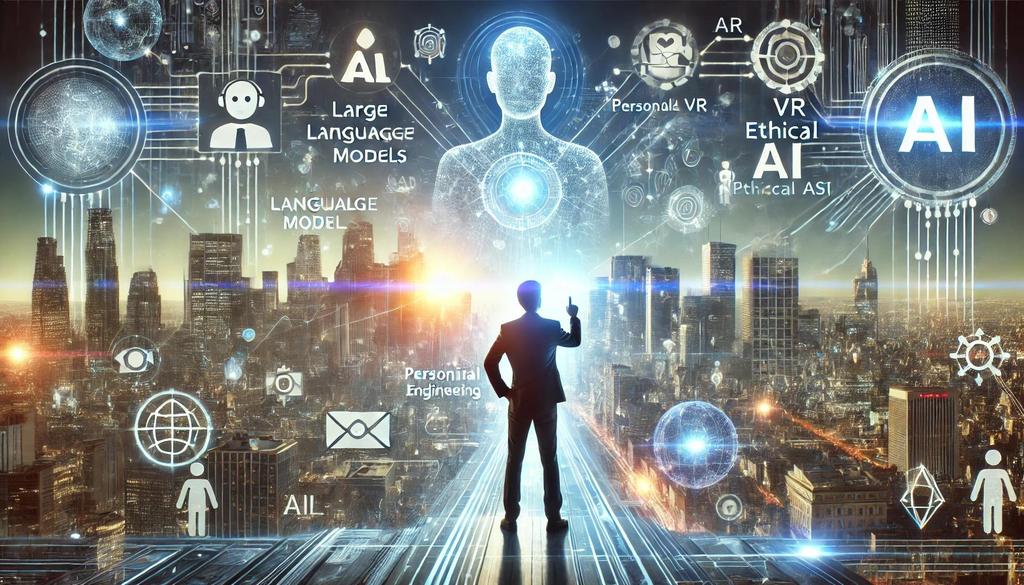

Technology is no longer just a tool—it is a core part of how we live, learn, and work. The relationship between innovation and daily life continues to grow stronger as digital solutions transform entire industries. The concept of Technology and Lifestyle: How Innovation Improves Health, Education, and Business highlights how advancements are reshaping society in practical and meaningful ways.
From AI-powered healthcare systems to online learning platforms and digital business tools, innovation is improving efficiency, accessibility, and quality of life. This article explains how technology enhances three major areas of modern living: health, education, and business.
The Connection Between Technology and Lifestyle
Technology influences how people communicate, manage time, access services, and make decisions. It simplifies tasks, reduces barriers, and creates new opportunities.
Modern innovation focuses on:
- Automation
- Connectivity
- Data analysis
- Personalization
- Accessibility
These elements drive improvements across healthcare systems, classrooms, and workplaces.
Understanding Technology and Lifestyle: How Innovation Improves Health, Education, and Business helps individuals and organizations adapt to ongoing digital transformation.
1. How Technology Improves Health
Healthcare has experienced one of the most significant technological transformations in recent years. Innovation is improving diagnosis, treatment, prevention, and patient management.
Digital Health Monitoring
Wearable devices and health apps track:
- Heart rate
- Blood pressure
- Sleep patterns
- Physical activity
- Calorie intake
Real-time monitoring allows individuals to detect potential health issues early.
Doctors can use collected data to provide more accurate diagnoses and personalized treatment plans.
Preventive care becomes more accessible and efficient.
Telemedicine and Virtual Care
Telemedicine allows patients to consult doctors remotely through video calls or online platforms.
Benefits include:
- Reduced travel time
- Faster access to specialists
- Lower healthcare costs
- Greater convenience
Telemedicine expands healthcare access, especially for people in rural or underserved areas.
It is a major example of how technology and lifestyle intersect in healthcare.
Artificial Intelligence in Diagnosis
AI systems analyze medical images, patient records, and test results to detect diseases earlier and more accurately.
AI assists in:
- Cancer detection
- Predictive health risk analysis
- Drug development
- Personalized medicine
These innovations improve treatment outcomes and reduce medical errors.
Digital Health Records
Electronic health records (EHRs) replace paper-based systems.
Benefits include:
- Faster data access
- Improved coordination among healthcare providers
- Reduced administrative errors
- Better patient history tracking
Digital records increase efficiency and enhance patient care quality.
Mental Health Support Through Technology
Online therapy platforms and mental health apps provide support through:
- Virtual counseling
- Mood tracking
- Guided meditation
- Stress management tools
Technology makes mental health support more accessible and reduces stigma.
2. How Technology Improves Education
Education has transformed dramatically due to digital innovation. Learning is no longer limited to physical classrooms.
Online Learning Platforms
E-learning platforms provide access to:
- Courses
- Certifications
- Skill development programs
- University degrees
Students can learn from anywhere with internet access.
This flexibility benefits working professionals, remote learners, and lifelong learners.
Interactive Learning Tools
Technology enhances engagement through:
- Virtual simulations
- Interactive quizzes
- Educational apps
- Gamified learning systems
These tools improve understanding and retention.
Students learn at their own pace, increasing effectiveness.
Artificial Intelligence in Education
AI supports personalized learning by:
- Adapting course content to individual progress
- Identifying learning gaps
- Providing instant feedback
- Automating grading
Teachers gain insights into student performance, allowing targeted support.
AI improves educational outcomes by tailoring experiences to individual needs.
Remote Collaboration and Communication
Video conferencing tools allow:
- Virtual classrooms
- Group projects
- Global collaboration
- Remote tutoring
Students and teachers can connect regardless of location.
Technology and lifestyle integration makes education more accessible and inclusive.
Access to Information
The internet provides instant access to research materials, academic journals, and educational videos.
Students can:
- Explore diverse topics
- Access expert insights
- Expand beyond textbook learning
Information accessibility increases knowledge opportunities worldwide.
3. How Technology Improves Business
Business operations have been transformed by digital tools and innovation.
Automation and Efficiency
Automation reduces manual tasks such as:
- Data entry
- Inventory management
- Payroll processing
- Customer support
Businesses save time and reduce human error.
Employees focus on strategic tasks rather than repetitive work.
Digital Communication Tools
Communication platforms allow teams to collaborate remotely.
Features include:
- Instant messaging
- Video conferencing
- File sharing
- Project management
Remote work has become more practical and productive.
Technology supports flexible work environments.
Data Analytics and Decision-Making
Data analytics tools help businesses:
- Understand customer behavior
- Identify trends
- Predict demand
- Optimize marketing campaigns
Data-driven decisions increase profitability and reduce risk.
Analytics improve strategic planning and resource allocation.
E-Commerce and Online Sales
Online platforms enable businesses to sell products globally.
Benefits include:
- Lower operational costs
- Wider customer reach
- 24/7 availability
- Personalized shopping experiences
Digital payment systems simplify transactions.
E-commerce growth demonstrates how technology and lifestyle continue to merge.
Customer Relationship Management (CRM)
CRM systems store and analyze customer data.
They help businesses:
- Improve customer service
- Track interactions
- Increase retention
- Personalize marketing
Strong customer relationships increase brand loyalty and revenue.
Artificial Intelligence in Business
AI improves:
- Customer service through chatbots
- Fraud detection
- Supply chain optimization
- Marketing personalization
AI increases operational efficiency and enhances competitiveness.
The Broader Impact on Lifestyle
Innovation affects daily life beyond specific industries.
Increased Convenience
Technology simplifies tasks such as:
- Grocery ordering
- Transportation booking
- Financial management
- Home automation
Time saved can be spent on personal growth and family.
Greater Accessibility
People with disabilities benefit from:
- Voice recognition tools
- Screen readers
- Smart home controls
- Assistive devices
Technology improves inclusivity.
Work-Life Balance
Remote work options allow:
- Flexible schedules
- Reduced commuting
- Better time management
Digital tools help balance professional and personal responsibilities.
Challenges of Technological Innovation
While innovation brings benefits, it also presents challenges.
Privacy Concerns
Digital systems collect large amounts of data.
Users must understand:
- Data storage policies
- Security measures
- Privacy rights
Protecting personal information is essential.
Cybersecurity Risks
Increased connectivity increases exposure to cyber threats.
Strong passwords, software updates, and secure networks are necessary.
Digital Divide
Not everyone has equal access to technology.
Efforts must be made to ensure inclusive digital access.
Overreliance on Technology
Excessive dependence may reduce face-to-face interaction and critical thinking.
Balanced usage is important.
The Future of Technology and Lifestyle
The future of Technology and Lifestyle: How Innovation Improves Health, Education, and Business will likely include:
- More advanced AI integration
- Greater automation
- Faster internet connectivity
- Enhanced cybersecurity
- Expanded remote services
- Sustainable technological solutions
Innovation will continue shaping how society functions.
Healthcare may become more predictive.
Education may become more personalized.
Businesses may operate with greater efficiency.
How to Adapt Successfully
To benefit from technological innovation:
- Stay informed about new developments.
- Invest in digital skills.
- Prioritize cybersecurity.
- Maintain balance between digital and offline life.
- Use technology strategically rather than passively.
Adapting proactively ensures long-term success.
Final Thoughts
The relationship between innovation and daily living is stronger than ever. Technology and Lifestyle: How Innovation Improves Health, Education, and Business demonstrates how digital advancements create practical benefits across essential sectors.
In healthcare, innovation enhances diagnosis, treatment, and prevention.
In education, it expands access and personalizes learning.
In business, it increases efficiency, profitability, and global reach.
While challenges exist, responsible use and thoughtful adaptation allow individuals and organizations to maximize the benefits of innovation.
Technology is not just changing how we work—it is reshaping how we live. By embracing innovation strategically, we can improve health, expand knowledge, and create stronger, more efficient businesses in the modern world.