




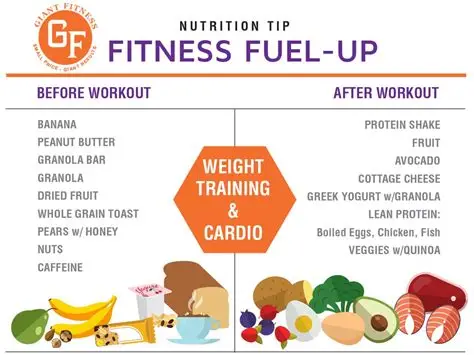

Nutrition is as important as exercise when it comes to building muscle, losing fat, and improving overall fitness. No matter how consistent your gym routine is, eating the right foods at the right time can significantly enhance performance, recovery, and results. A structured Gym Diet Plan: What to Eat Before and After Workouts helps maximize energy, minimize fatigue, and optimize muscle growth.
This guide explains how to fuel your body properly, what foods to prioritize before and after workouts, and how to structure meals for maximum impact.
Why Pre- and Post-Workout Nutrition Matters
Your body is a machine that relies on fuel. Timing your nutrition around workouts can influence:
- Energy levels: Proper pre-workout meals prevent fatigue.
- Muscle growth: Post-workout protein supports recovery.
- Fat loss: Strategic nutrition maintains a calorie balance while promoting lean muscle.
- Performance: The right nutrients improve strength, endurance, and focus.
A clear Gym Diet Plan: What to Eat Before and After Workouts ensures that every gym session is productive.
Pre-Workout Nutrition
Eating before your workout prepares your body to perform at its best.
Goals of Pre-Workout Nutrition:
- Provide energy for training
- Reduce muscle breakdown
- Improve endurance and strength
- Prevent low blood sugar and fatigue
Key Components of a Pre-Workout Meal
- Carbohydrates: The primary energy source for high-intensity exercise.
- Examples: Oats, whole-grain bread, rice, fruits, sweet potatoes
- Protein: Helps reduce muscle breakdown during exercise.
- Examples: Eggs, Greek yogurt, lean chicken, protein shakes
- Hydration: Prevents dehydration and maintains performance.
- Water or electrolyte drinks
- Moderate Fats: Avoid heavy fats pre-workout, as they can slow digestion.
Timing Your Pre-Workout Meal
- 2–3 hours before workout: Full meal with carbs, protein, and light fat
- 30–60 minutes before workout: Small snack, easily digestible carbs with a bit of protein
Examples of Pre-Workout Meals
2–3 Hours Before Gym:
- Grilled chicken with brown rice and vegetables
- Whole-grain toast with peanut butter and banana
- Oats with whey protein and berries
30–60 Minutes Before Gym:
- Banana with a scoop of protein powder
- Greek yogurt with honey
- Rice cakes with almond butter
Eating the right foods before training ensures you have the energy to push hard and minimize fatigue.
Post-Workout Nutrition
Recovery is when your muscles rebuild and grow stronger. The post-workout window is critical for optimizing results.
Goals of Post-Workout Nutrition:
- Replenish glycogen stores
- Repair and build muscle
- Reduce inflammation
- Improve recovery for the next session
Key Components of a Post-Workout Meal
- Protein: Essential for muscle repair and growth
- Examples: Chicken, turkey, fish, eggs, whey protein, tofu
- Carbohydrates: Restore glycogen used during training
- Examples: Sweet potatoes, rice, oats, fruits, whole-grain bread
- Fluids and Electrolytes: Replace sweat loss and prevent dehydration
- Water, coconut water, or low-sugar sports drinks
- Healthy Fats: Small amounts are fine, but avoid heavy fats immediately post-workout
Timing Your Post-Workout Meal
- Within 30–60 minutes after training: Ideal window for nutrient absorption and recovery
Examples of Post-Workout Meals
- Grilled salmon with quinoa and steamed vegetables
- Protein shake with banana and almond milk
- Egg whites with whole-grain toast and avocado
- Chicken stir-fry with brown rice and broccoli
Proper post-workout nutrition accelerates recovery and supports consistent gains.
Sample Daily Gym Diet Plan
Here’s a practical Gym Diet Plan: What to Eat Before and After Workouts for beginners and intermediates.
Breakfast (Morning Workout Example)
- Scrambled eggs with spinach and whole-grain toast
- Half an avocado
- Water or black coffee
Purpose: Fuels energy, provides protein for muscle repair
Pre-Workout Snack (30–60 Minutes Before Gym)
- Banana or apple
- 1 scoop whey protein or Greek yogurt
- Water
Purpose: Quick energy and amino acids for muscle protection
Post-Workout Meal
- Grilled chicken breast
- Brown rice
- Steamed vegetables (broccoli, carrots, peppers)
- Water or electrolyte drink
Purpose: Replenishes glycogen and repairs muscles
Lunch
- Quinoa salad with chickpeas, cucumber, tomatoes, and olive oil
- Grilled fish or tofu
- Water
Purpose: Sustains energy for the afternoon, provides protein and complex carbs
Afternoon Snack
- Almonds or walnuts
- Low-fat yogurt or protein shake
- Fruit (apple, berries)
Purpose: Keeps energy stable and prevents overeating later
Dinner
- Lean meat or fish
- Sweet potatoes or brown rice
- Steamed vegetables
- Salad with olive oil
Purpose: Recovery, protein synthesis, and long-term muscle growth
Optional Evening Snack
- Cottage cheese or casein protein
- Few nuts or a small fruit
Purpose: Slow-digesting protein supports overnight recovery
Hydration and Gym Performance
Hydration is critical before, during, and after workouts.
- Drink water consistently throughout the day
- Aim for 0.5–1 liter 1–2 hours before gym
- Sip water during training
- Replenish electrolytes post-workout if sweating heavily
Proper hydration enhances strength, endurance, and focus.
Supplements for Gym Nutrition
Supplements can support your Gym Diet Plan: What to Eat Before and After Workouts but are not a replacement for whole foods.
- Whey Protein: Quick, high-quality protein source
- Creatine: Improves strength and power output
- BCAAs (Branched-Chain Amino Acids): May reduce muscle breakdown
- Multivitamins: Fill nutritional gaps
- Omega-3 Fatty Acids: Reduce inflammation and support recovery
Always prioritize whole foods first.
Common Mistakes to Avoid
- Skipping pre-workout meals – leads to fatigue
- Ignoring post-workout nutrition – slows recovery
- Overeating or undereating – affects performance and results
- Relying solely on supplements – whole foods are essential
- Not drinking enough water – reduces performance
Following a balanced Gym Diet Plan: What to Eat Before and After Workouts helps avoid these pitfalls.
Adjusting Your Diet Based on Goals
For Muscle Gain
- Slight calorie surplus
- Higher protein intake (1.6–2.2 g per kg body weight)
- Focus on nutrient-dense foods
For Fat Loss
- Slight calorie deficit
- Prioritize protein to retain muscle
- Limit processed carbs and sugar
For Endurance or Cardio Focus
- Moderate protein
- Higher complex carbs for sustained energy
- Include electrolytes
Your diet should always align with your workout intensity and goal.
Tips for Success
- Meal Prep: Plan and prepare meals in advance to stay on track
- Track Macros: Monitor protein, carbs, and fats for optimal results
- Eat Whole Foods: Minimize processed foods and sugar
- Consistency is Key: Results require steady nutrition and workouts
- Listen to Your Body: Adjust portions based on hunger and energy levels
Consistency and discipline make a diet plan effective.
Final Thoughts
A thoughtful Gym Diet Plan: What to Eat Before and After Workouts maximizes energy, improves performance, supports recovery, and accelerates results.
To summarize:
- Fuel your workouts with carbs and protein
- Eat within 30–60 minutes post-workout to aid recovery
- Focus on whole foods, lean protein, and complex carbs
- Stay hydrated throughout the day
- Adjust diet based on your goals: muscle gain, fat loss, or endurance
Nutrition and training work hand in hand. When paired effectively, you can build muscle, lose fat, and achieve a healthier, stronger body.
Start with simple, nutrient-dense meals, follow the timing guidelines, and monitor your progress to refine your Gym Diet Plan: What to Eat Before and After Workouts for maximum results.