






Technology is no longer separate from daily life—it shapes how we communicate, work, shop, travel, and even relax. The concept of Technology of Life: The Role of AI, Smartphones, and Smart Homes reflects how deeply digital innovation is embedded into our routines.
Artificial Intelligence (AI), smartphones, and smart home systems are transforming the modern lifestyle. They increase efficiency, improve convenience, enhance safety, and create new opportunities. At the same time, they raise important questions about privacy, security, and balance.
This guide explains how these technologies influence everyday life and what their growing role means for the future.
1. Understanding the Technology of Modern Life
The phrase Technology of Life: The Role of AI, Smartphones, and Smart Homes represents the integration of intelligent systems into everyday human activity.
Technology today is:
- Always connected
- Data-driven
- Automated
- Personalized
- Accessible
From waking up to a smartphone alarm to using AI-powered navigation on the way to work, digital systems support nearly every action.
The goal of modern technology is simple: make life easier, faster, and smarter.
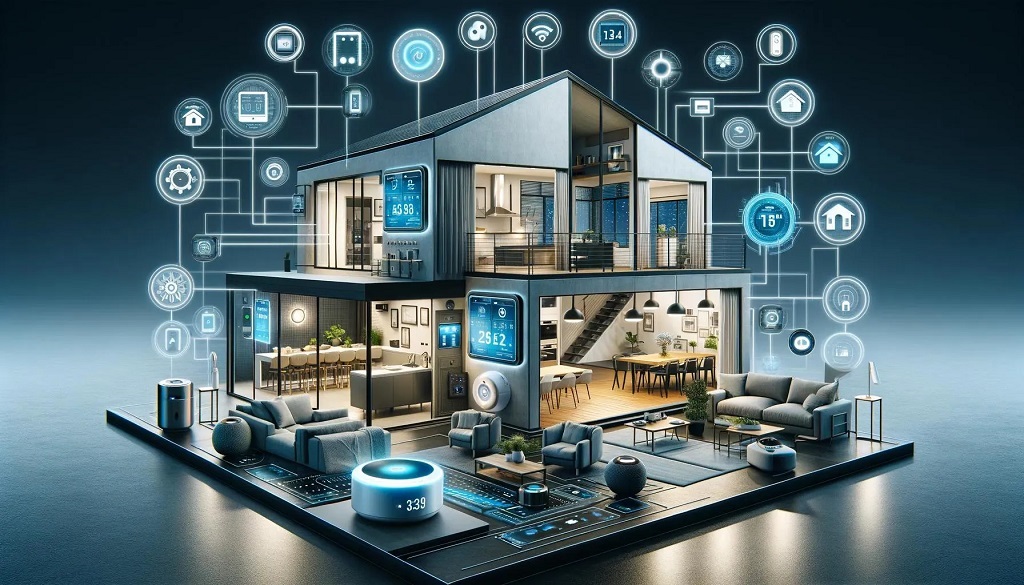
Part 1: Artificial Intelligence (AI) in Everyday Life
Artificial Intelligence refers to computer systems that can perform tasks requiring human intelligence, such as learning, problem-solving, and decision-making.
1. AI in Communication
AI improves communication through:
- Voice assistants
- Real-time translation
- Smart replies
- Chatbots
Voice assistants help users set reminders, check the weather, and control devices hands-free.
Translation tools allow global communication instantly.
AI chatbots assist customers 24/7, improving service efficiency.
2. AI in Healthcare
AI is transforming healthcare by:
- Assisting in medical diagnosis
- Analyzing medical images
- Predicting health risks
- Personalizing treatment plans
Wearable devices track heart rate, sleep patterns, and activity levels. AI analyzes this data to provide insights about health.
Early detection systems powered by AI can identify diseases faster and more accurately.
Healthcare innovation is a critical part of the Technology of Life: The Role of AI, Smartphones, and Smart Homes.
3. AI in Work and Productivity
AI enhances productivity in workplaces through:
- Automation of repetitive tasks
- Data analysis
- Predictive analytics
- Virtual assistants
Businesses use AI to:
- Improve customer service
- Optimize supply chains
- Personalize marketing
- Detect fraud
Employees save time by automating routine processes.
AI allows companies to focus on strategy and innovation rather than manual work.
4. AI in Entertainment
AI personalizes entertainment experiences.
Streaming platforms suggest movies and music based on user behavior.
Gaming systems use AI to create smarter opponents and immersive environments.
Recommendation systems help users discover content that matches their interests.
Part 2: Smartphones as the Central Hub of Life
Smartphones have become essential tools in modern society. They serve as communication devices, entertainment centers, productivity tools, and digital wallets.
1. Communication and Connectivity
Smartphones allow instant communication through:
- Calls
- Text messages
- Video chats
- Social media
They connect people across the globe in real time.
This constant connectivity strengthens personal and professional relationships.
2. Access to Information
With internet access, smartphones provide:
- News updates
- Educational content
- Research materials
- Navigation systems
Search engines and apps make information available within seconds.
This access improves decision-making and learning.
3. Mobile Banking and Digital Payments
Smartphones have transformed financial transactions.
Users can:
- Transfer money
- Pay bills
- Invest
- Shop online
Digital wallets allow contactless payments.
This convenience reduces reliance on cash and physical banking.
4. Health and Fitness Tracking
Health apps monitor:
- Steps
- Calories
- Sleep
- Heart rate
Users can set fitness goals and track progress.
Smartphones promote healthier lifestyles through reminders and tracking features.
5. Remote Work and Productivity
Smartphones enable remote work by providing:
- Email access
- Video conferencing
- Project management apps
- Cloud storage
Work can happen anywhere, increasing flexibility.
Smartphones are central to the Technology of Life: The Role of AI, Smartphones, and Smart Homes because they connect all other smart devices.

Part 3: Smart Homes and Connected Living
Smart homes use internet-connected devices to automate and control household functions.
1. Smart Lighting
Smart lighting systems allow users to:
- Control brightness
- Change colors
- Schedule on/off times
- Reduce energy consumption
Lights can be controlled through apps or voice commands.
Energy efficiency reduces costs and environmental impact.
2. Smart Thermostats
Smart thermostats:
- Learn temperature preferences
- Adjust automatically
- Save energy
- Provide usage reports
They reduce energy waste and lower utility bills.
3. Smart Security Systems
Smart security devices include:
- Video doorbells
- Security cameras
- Motion sensors
- Smart locks
Users can monitor homes remotely.
Real-time alerts improve safety and peace of mind.
4. Smart Appliances
Modern appliances connect to the internet and allow remote control.
Examples include:
- Smart refrigerators
- Washing machines
- Ovens
- Robotic vacuum cleaners
Automation saves time and increases convenience.
5. Voice-Controlled Smart Homes
Voice assistants integrate with smart home devices.
Users can:
- Turn on lights
- Adjust temperature
- Play music
- Lock doors
Voice control simplifies daily routines.
Smart homes demonstrate how the Technology of Life: The Role of AI, Smartphones, and Smart Homes improves efficiency and comfort.

Benefits of Integrated Smart Technology
When AI, smartphones, and smart homes work together, the benefits multiply.
1. Convenience
Tasks become faster and easier.
Automation reduces manual effort.
2. Efficiency
Energy use is optimized.
Time management improves.
3. Personalization
Technology adapts to user preferences.
Experiences become tailored and relevant.
4. Safety and Security
Smart security systems increase protection.
AI detects unusual behavior patterns.
5. Accessibility
Technology supports people with disabilities through voice commands and automation.
Challenges and Concerns
Despite benefits, smart technology raises important concerns.
1. Privacy Issues
Smart devices collect data.
Users must understand:
- What data is collected
- How it is stored
- Who has access
Data protection is critical.
2. Cybersecurity Risks
Connected devices can be vulnerable to hacking.
Strong passwords, software updates, and secure networks reduce risks.
3. Overdependence on Technology
Excessive reliance may reduce face-to-face interaction.
Balancing digital and offline life is important.
4. Cost Barriers
Smart devices can be expensive.
However, prices are gradually becoming more affordable.
The Future of Smart Living
The future of the Technology of Life: The Role of AI, Smartphones, and Smart Homes will likely include:
- More advanced AI automation
- Faster internet connectivity
- Greater device integration
- Improved cybersecurity
- Increased sustainability
Future homes may adjust lighting, temperature, and security automatically based on user behavior.
AI systems may anticipate needs before users request them.
Healthcare may become more predictive and personalized.
Technology will continue shaping human experience.
How to Adapt to Smart Technology
To benefit from modern technology:
- Stay informed about new developments.
- Prioritize cybersecurity.
- Use technology responsibly.
- Maintain a balance between digital and real-world interactions.
- Choose devices that align with your lifestyle and needs.
Adopting technology thoughtfully ensures maximum benefit with minimal risk.
Final Thoughts
The concept of Technology of Life: The Role of AI, Smartphones, and Smart Homes highlights how deeply technology influences daily routines.
Artificial Intelligence enhances productivity and healthcare.
Smartphones connect us to the world and centralize our digital lives.
Smart homes increase convenience, safety, and efficiency.
Together, these technologies create a more connected and intelligent lifestyle.
However, responsible usage is essential. Balancing convenience with privacy, automation with awareness, and innovation with ethics will define how technology shapes our future.
As technology continues to evolve, it will remain a powerful force in improving comfort, communication, and opportunity—making life smarter, safer, and more efficient for generations to come.